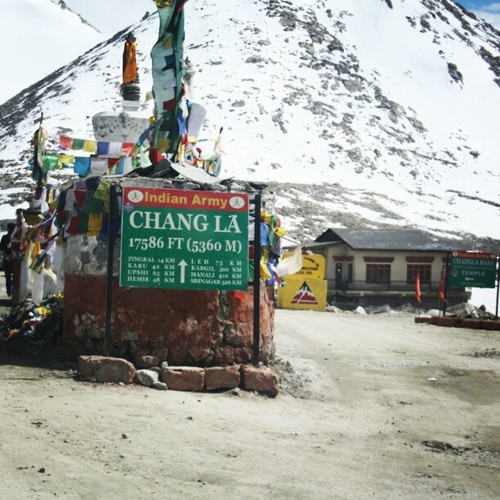
One of the most amazing destinations in Ladakh is the Pangong Tso Lake. The beauty of this huge multi-colored lake is that 30 percent of the lake is in India while the rest of the seventy percent is layered in China across the border that stretches from there. On our way to Pangong Tso, we encounter the Chang La pass.
It is certainly an enchanting place and something that would come very close to actually riding across Khardung la pass, (the highest motorable road in the world) and Chang La is the third highest. at 5,360 m or 17,590 ft) The name literally means “Pass towards the South” or “Pass in the South” (Chang = south, La = Pass). It is falsely claimed that the pass is named after the supposed sadhu Changla Baba, a myth propagated by the dedication of a temple at the pass to the supposed Changla Baba. If any such sadhu exists or existed, he would have been named for the pass, rather than vice versa (since the name “changla baba” means the “baba of the southern pass”. The small town of Tangste is the nearest settlement. The Changla Pass is the main gateway for the Changthang Plateau situated in the Himalayas. The nomadic tribes of the region are collectively known as the Changpa or Chang-pa.
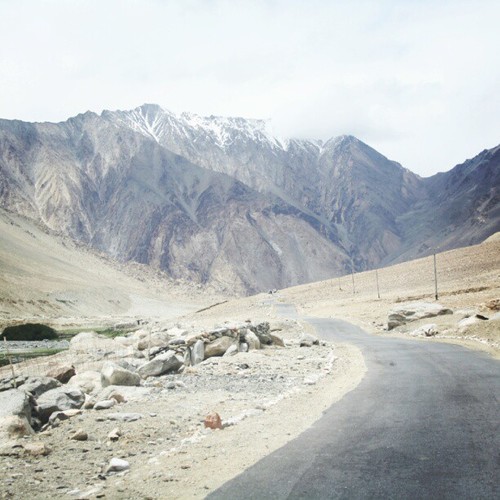
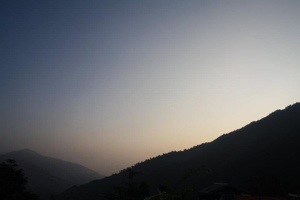
Mountains on our road towards Pangong Tso
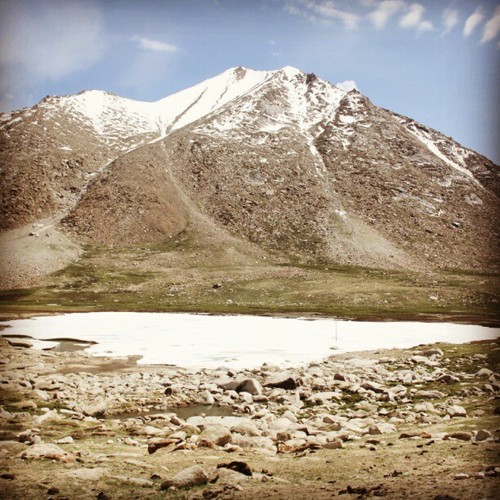
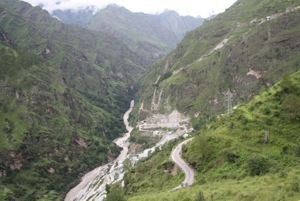
Snow covered mountains and greenery at the same time
Kala Pokhri (3186 m) is a small Himalayan village inside the Singalila National Park in the Darjeeling subdivision, Darjeeling district in the state of West Bengal, India. It lies on the trekking route from Mane Bhanjang to Sandakphu (the highest peak in West Bengal), and is roughly halfway between the steep final stretch of the trek from Gairibas to Sandakphu. “Pokhri” means “lake” and “kala” means “dark” in Nepali, and the village is named after a local lake with dark waters.
It is also the second camps en route the Sandakphu trek in the North Eastern Himalayas where you traverse across Darjeeling and get into some small villages of Nepal and head back into Darjeeling via Gurdum. And yes after you’ve crossed Tumling, you have entered for the first time in Nepal.
Now, for those who have done the trek, would know that the route to Kalapokhri has to be the steepest and one of the higher climbs as compared to any other, until of course you carve your feet out of the Himalayas from there on towards Sandakphu.
This journey is as beautiful as it could get. We started early in the morning, foggy and misty with a lot of silence across this journey. With ocassional rainfall, we did take some small stops before we decided to briskly climb up this route. Some pictures from that trek.
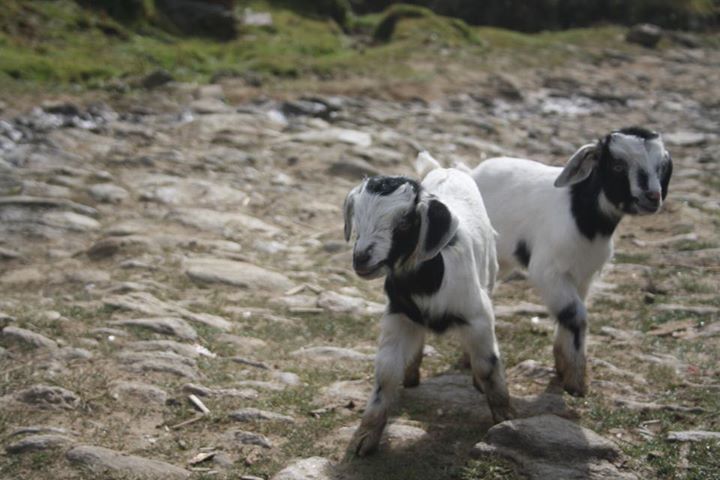
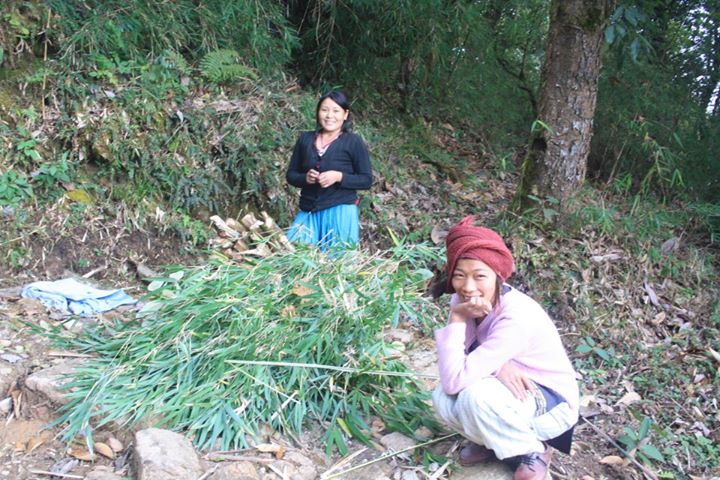
As soon as we left Tumling, we left behind these siblings
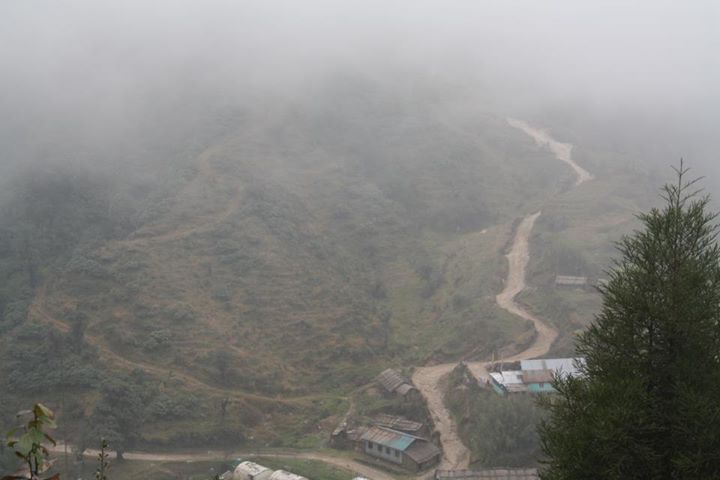
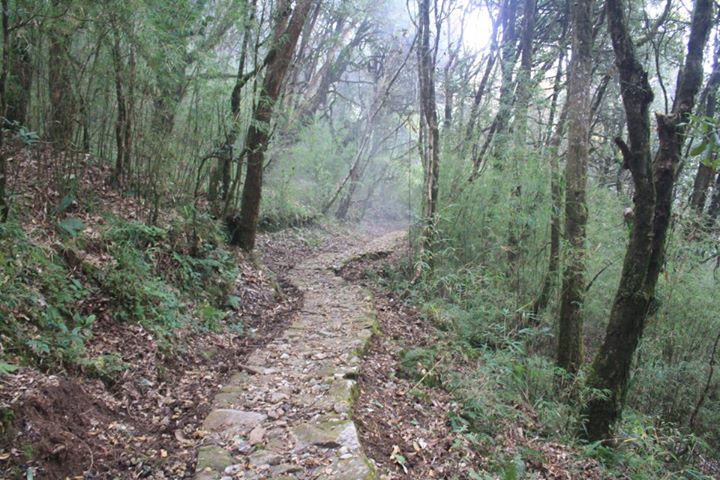
Following the misty trail across Nepal border
You can see the Indian villages down from up top in Nepal
As you reach Kalapokhri, the ascend gets tougher
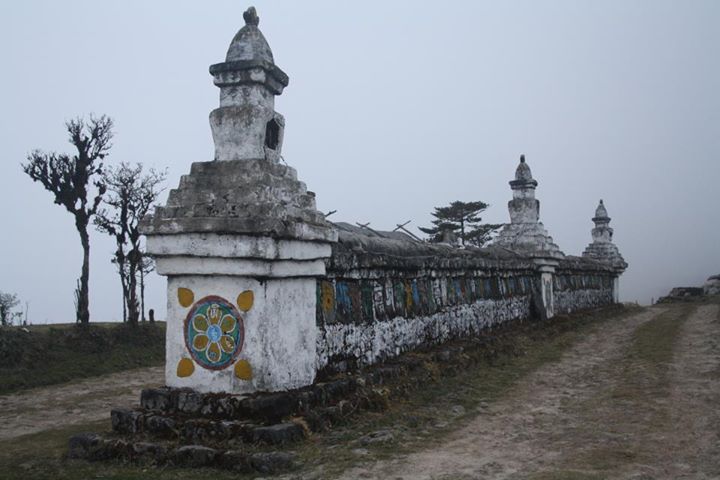
On the left side is India and on the right is Nepal
By the time you get to Kalapokhri, you’d be quite tired, but at the same time admire the fascinating and very quiet village, some of them playing Nepali songs on the radio and small huts with people sitting near the fireplace seeking some warmth that you’d end up getting relaxed all by yourself right there… One of the best routes on this trek for sure…
On one of our trips in the Himalayas, I remember how lines across various borders fade away and depict a path that just goes on beyond just the territories hazed within the minds of people caught in a rut, one that fails to distinguish a beauty of the nature so vast, and enchanting that we always tend to look at terrains as boundaries keep blocking us and our minds.
Sometimes I wish for that as a traveler to do away with. Most often than none, whenever I take a trek to the Himalayas, an important thing that is always on my mind is to leave behind the clutter and the chaos that this urban mind has always carried around with it’s mundane inglorious life. I try to devise a plan and then I stop and tell myself that it’s not a strategy that I have to pitch to a client, I usually end up thinking twice about things when I’m out here in the city. Out there, I let the nature guide me by it’s own destiny and help me make a better choice with every step that I take in the wilderness of the mountains.
One such trips was on the way to Sandakphu, where our first pit-stop was a glorious beginning into the Nepal bordering, crossing over Darjeeling and Sikkim the Himalayan regions of Tumling. A small village would be very popular among trekkers who are treading slowly towards Sanadkphu and Phalut. Both destinations which on a clear day, give a peek at the Kanchenjunga and the Mt. Everest, if you’re lucky. One of the most interesting things that you’ll notice on this path is how serene everything is right from the time you start the trek from Mhanebhanjan, the base camp, usually for all the trekkers who head up to Sandakphu or Phalut.
The occassional villagers going about their tasks, once in a while the sunlight taking a peak through the dense forests with maple and deodar trees. The ocassional Land rovers shipping food and gas cylinders and other than that there is complete bliss and total serenity. One can only feel an underlying divinity in this path across nature that cannot be described unless you actually go and witness the same.
One beautiful thing about this place is that it has an arduous look about it the moment you reach the small village. As you settle down and look up at the mountains you will feel the ease of the mountains and the beautiful path that holds a great canvas in front of you, one as a trekker or a mountaineer, you’d be raring to have a go at, painting your journey across the beautiful terrains of these North Eastern Himalayas…
A couple of years ago, my travel trails took me here…
Rudraprayag
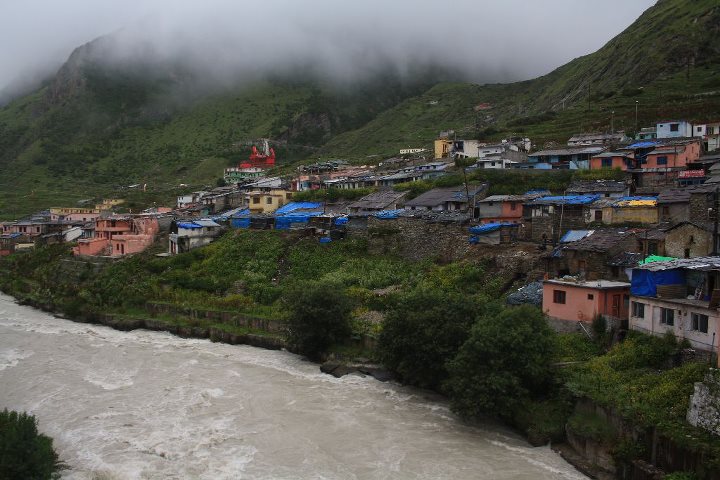
Badrinath
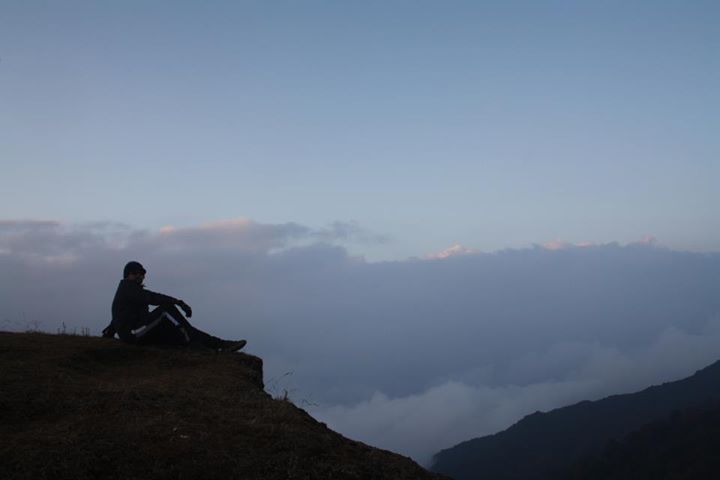
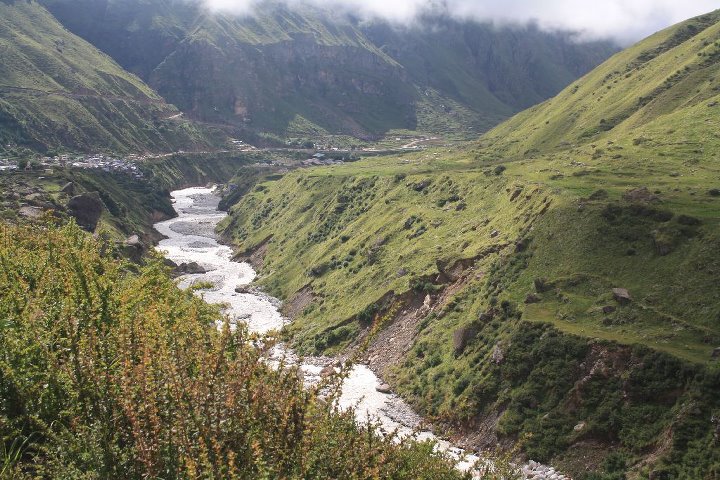
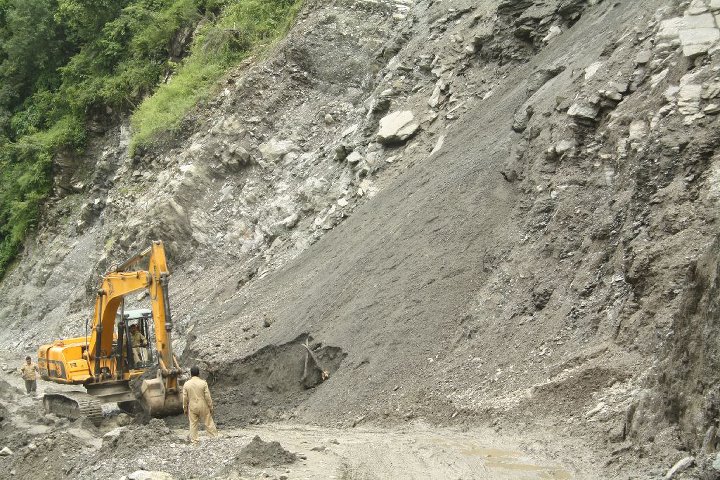
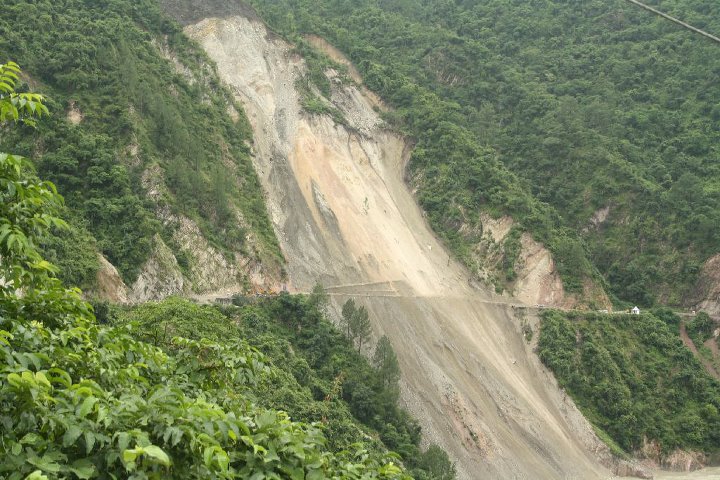
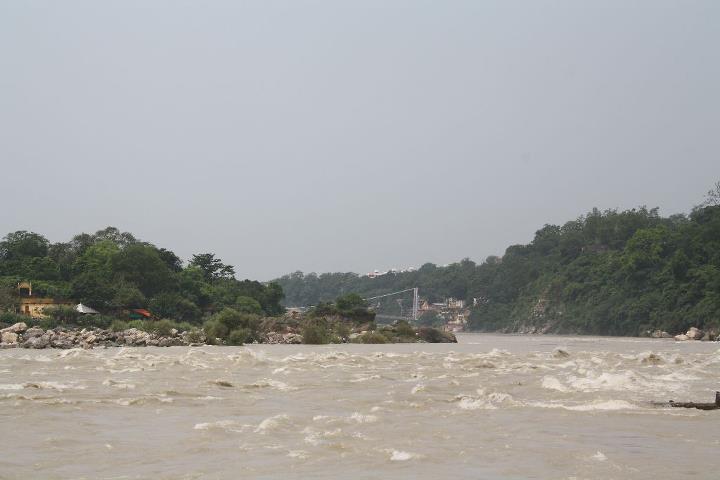
Astounded with the beauty of the mountains, coupled by the flowing multiple confluences of the river Ganga along with other rivers such as Alaknanda, Bhagirathi, Mandakini, Pindar this place has an aspiring sense of tranquility and most serene and yet roaring its guts out to engulf you into its madness. Every bit of the road that we traveled back then from Rishikesh to Joshimath to Govindghat to Ghagaria and later on towards Badrinath, we remember being surrounded by the mighty confluences and the flowing water all along. The gutso this river shows as it emerges from the Vishnu Prayag on the Alaknanda river covers a major part of Uttarakhand. We were of course during our journey told that there will be times when we might be in the midst of landslides and we will have all that is needed with the help of the Indian Army / BRO who keep a close watch on such landslides. In fact, there were a couple of occasions when we were stuck and had to make our way walking across the mountains and board another bus to move forward. Another occasion I distinctly remember is our bus swaying while the landslide commenced and narrowly escaping while I could see some rocks and smaller boulders fall down upon the mountains.
Today when I look at all the devastation in the NEWS channels and all across the newspapers, my heart goes out to the people, who’re stranded, lived or who passed away in this enormous region of Uttarakhand! They live there knowing this is certain for sure and this is something they won’t be easily able to escape, come the time of such a natural calamity. Yet, to these people and their villages, they have no other way out. Truly there are very few words to describe this wrath of nature that has happened. As much as possible, we can try to salvage the fact that the brave Indian Army and relief workers are trying their best to help folks out there. To many sitting on their couches or inside the comforts of their homes, it would be a trivial endeavor and of course many could just pray for the situation to be handled to its best. While some of us of course would try to help out in whatever way they could as we sit here and watch the devastation in horror.
Reminds, me of how, such beauty that I encountered was always and will always be at the disposal of a world, a world that keeps deteriorating time and again all because of human need and that’s where nature decides to give it back. It’s very sad, but us humans need to understand that this is just the beginning. Unless we strive towards making a better earth or a better planet this is going to keep on continuing.
Words fail me in that endeavor but as I sit here in front of my laptop, helpless to do much, I tell myself only this… Look for a better tomorrow, for the nature around you is just an encompassing mirror of what you do and how you show your beliefs, for it can come back real hard and bite you where it hurts the most…
P.S: If you want to contribute towards relief efforts of Uttarakhand, check out http://goonj.org/ Something I looked up and went ahead and contributed too. You can donate, food, clothes or if not, you can donate any sum of money if you’d like. The least you can do to help relief, rehabilitation ‘To the people of Uttarakhand.’
The time to wander off in the valley is here. Every year, around this time there is a deep calling that rakes within my heart and reaches out to me saying, it’s time. I have a strong feeling to always go with the flow and decide to challenge myself to walk those huge mountainous paths and whisper to myself in an enchanting manner, “How I wish I’d always live here and never go back to the buzz of the world.” It’s time that I listened to my heart and gave in to the beauty of the wondrous Himalayas.
Somehow, for the last four years, I’ve always been pulled into it’s gazing destiny and hope to keep getting attracted time and again, for the fascination will never end. An amazing amount of solace and brilliance is always breathtaking in a literal sense, that I cannot forgo that attraction and cannot choose to ignore it. So, whenever the mountains call me, I’m there… I have to find my way, fix myself a ticket to go up north in India and take the same old routes across these mountains with my backpack treading towards what I’d like to call an eternal ritual towards redemption from the routine.
I’ve been thinking of doing the Himachal this year, hoping to get a break maybe sometime soon. Hopefully if I do, you’ll certainly get to read about my plans and once I come back, about the escapade that I encountered. In the meantime, here are some fantabulous pictures of my earlier treks.
I’ve probably written about three or four posts up until now on Hampi! A lot of these contain the historical relevance and the places that one can see and visit as travellers. A lot of times whenever I’ve been to Hampi, I’ve travelled alone and come back to write my experiences and my journey in the historical and archaeological realm of the empire. Some things that I always have cherished and realized about my relationship with this magnificent place was my Kannada roots and of course more recently my understanding of ancestral connections to this place through Late. Shri N.S Rajpurohit, my great grandfather who was part of excavations of the Talikota battlefield, the place where the Vijayanagara empire marked its death.
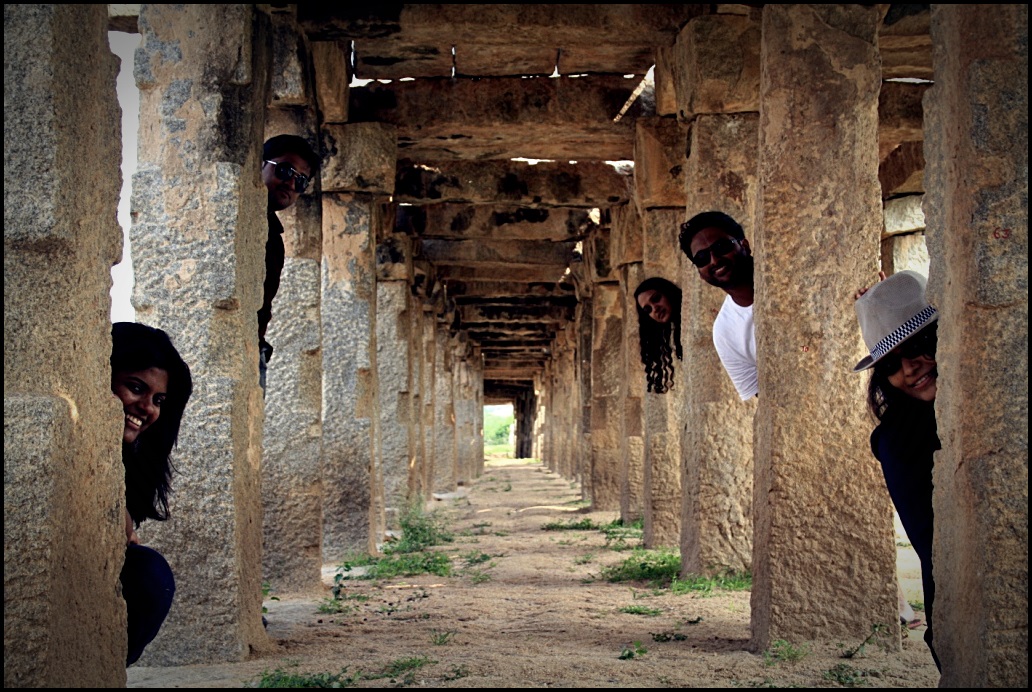
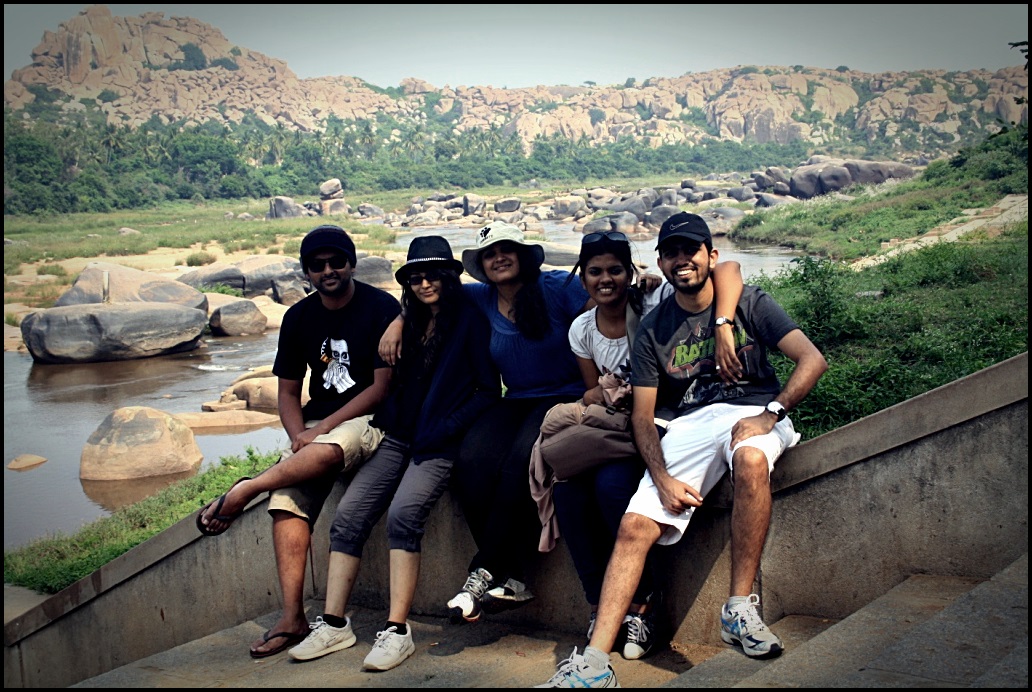
This time around, during Diwali, with a couple of old friends and a few new ones, we decided to set foot in the Vijayanagara Kingdom… It was quite a bunch of us friends. Some writers, thinkers, some travelers like me, some who were just like me fascinated with Hindu mythology and its symbolical association with historic cultures especially here. So this blog will be more about the journey and some photographs which embellished quite a memory on this entire trip, making it truly special for reminiscing old friendship while building new ones and some very special ones too.
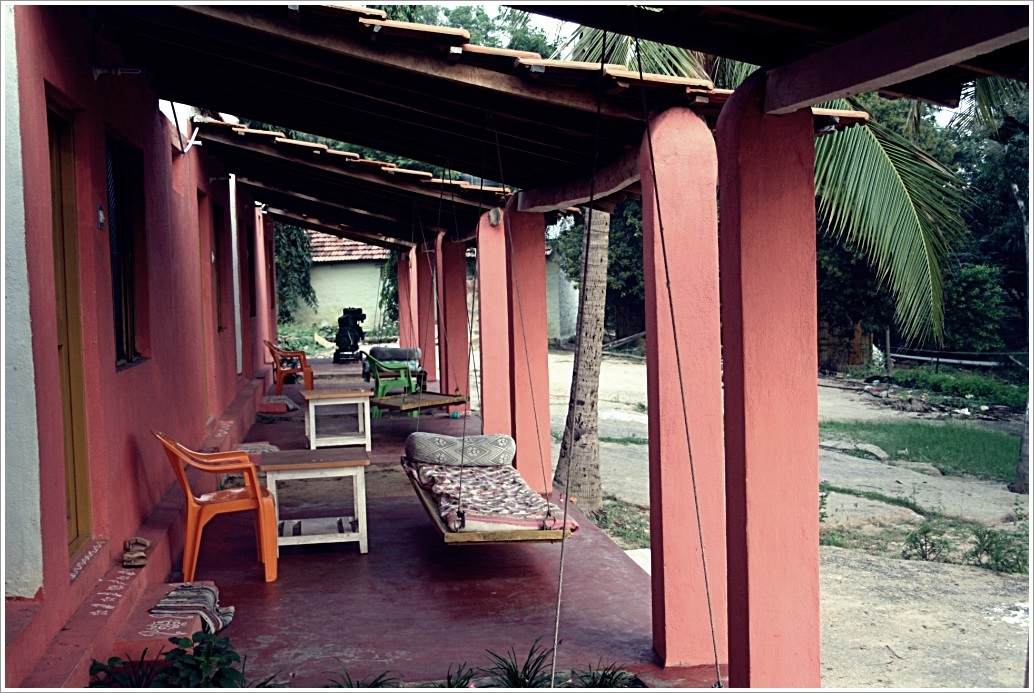
Our first day began when we left Mumbai in a bus to Hospet. We had decided to stay at Hampi Gowri guest house this time around. This is across the Tungabhadra river on the Anjaneya mountain side. From the minute I had started speaking to Mr. Srinivas, my namesake, I had decided to go and stay there. The very helpful and polite manner that he spoke on the phone sounding very helpful and accomodating was something that made me pick this venue in not more than a few minutes of speaking with him. He also offered to pick us up from a destination enroute Hospet, which is towards his side of the town. When we reached there we mostly freshened up and took a walk to the Sanapur Lake, which was nearby and pretty much chilled out. waiting for the day to get over, finish our wonderful home cooked dinner made by Mr. Srinivas’s wife and crash…
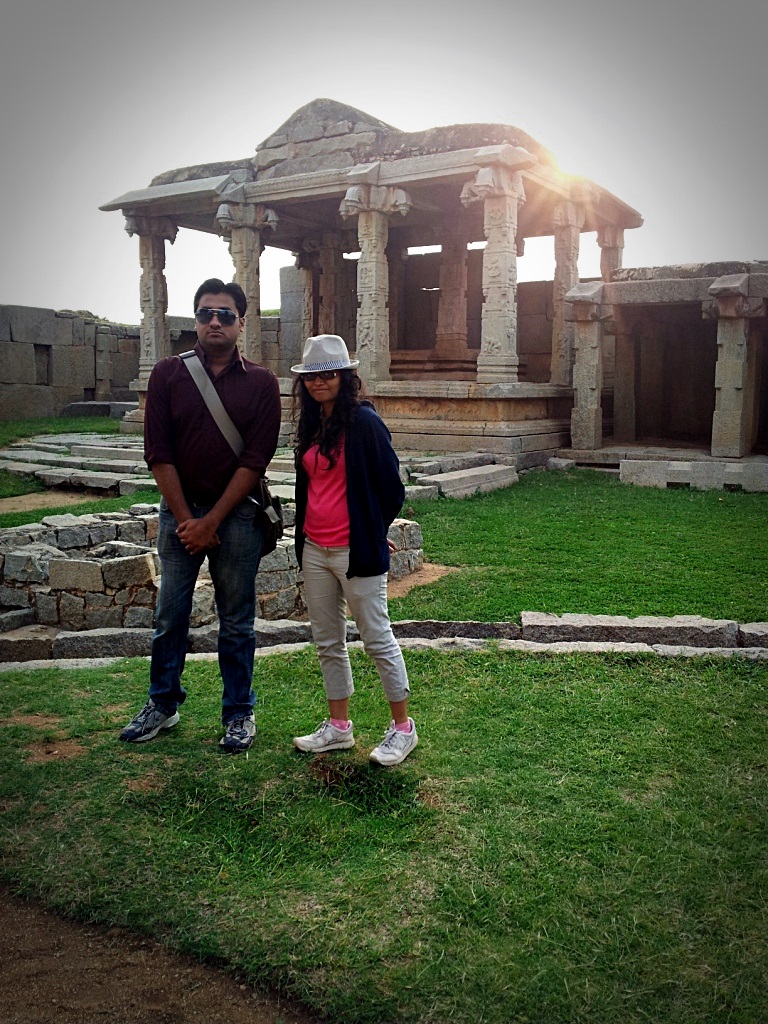
Second day began when we set off in our mini van to take the tour of the city. It was very well spent with a guided tour, by me of course 😉 visiting the ancient ruins of Hampi and the various places that we ended up taking great pictures and spending some good time talking about their historical and archaeological significance from the standpoint of ancient India. Our day mostly touring and grabbing a quick bite of Chitranna and some mirchi bhaji was very fruitful especially after witnessing the Stone Chariot, our last and the most infamous and quite enchanting monument in this UNESCO World Heritage site. After we returned, thanks to the wonderful arrangement of a camp fire and a barbequeue! A fitting day to a tiring and yet very fun day!
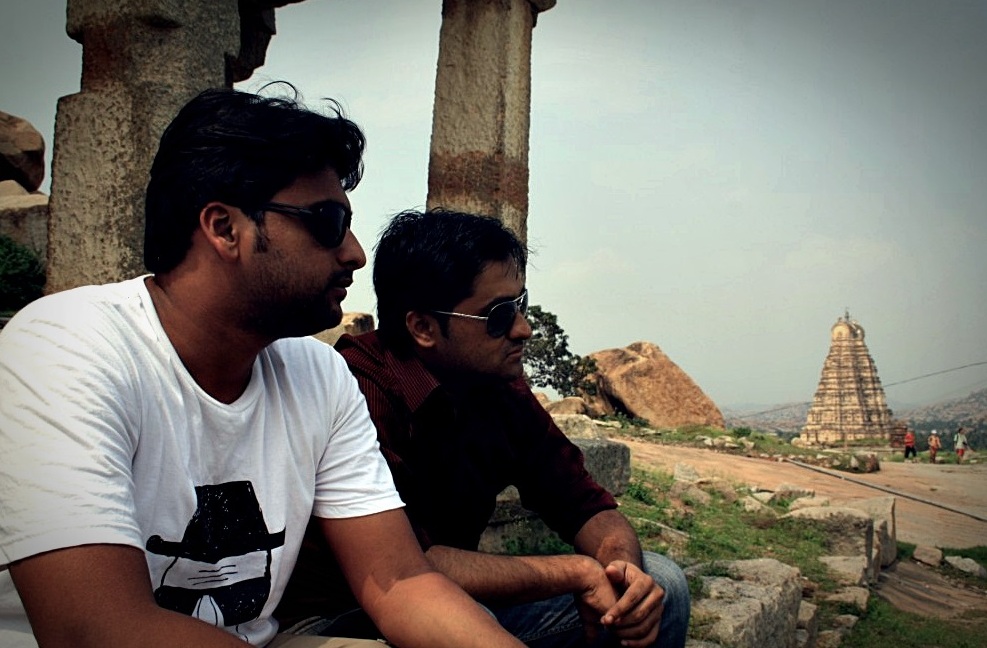
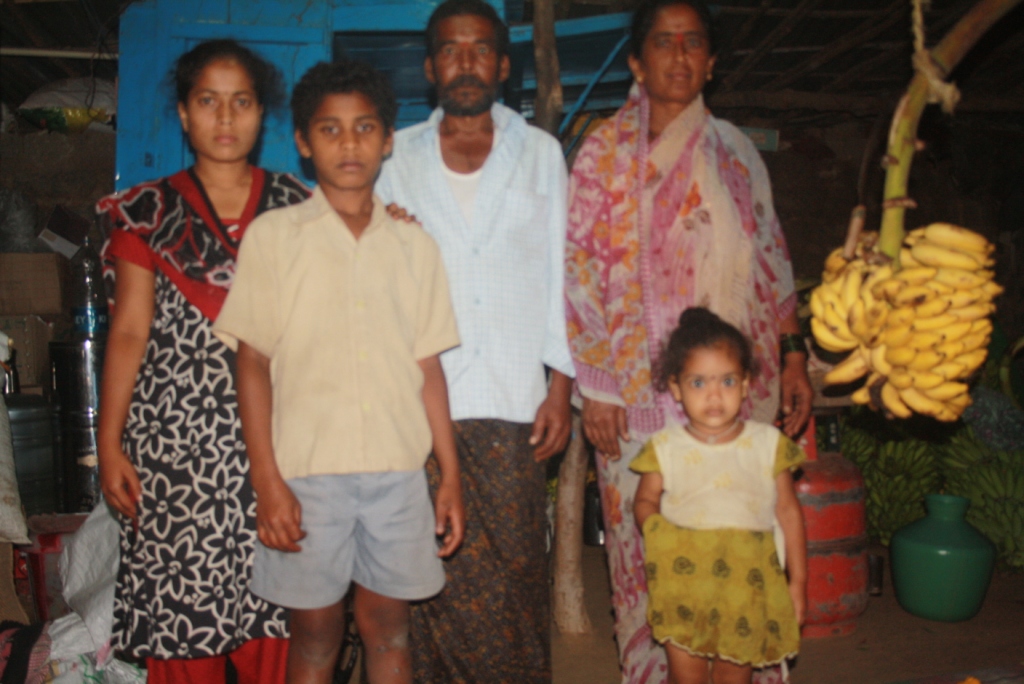
Third day was mostly chilled out. It began with a late rising in the morning and eating our breakfasts, finely cooked Idlis, very tasty and certainly ones that you could gulp down as many as you could and yet feel the craving for more. We had decided to relax a bit since the second day was quite tiring and hectic and probably start slowly to end the day by climbing the famous birthplace of Hanuman, the Anjaneya temple on top of the mountain. We started off by heading to boating point, to cross the river in the famous round small boat of sorts, the coracle or putti as it’s called in Kannada. This was something one of our friends, Rahul wanted to experience and I had to ensure it was done! And quite an experience it was, for me for the second time, but all the more fun especially with good friends around. We also recorded a video, which I’ll upload later! So after which, we visited the Virupaksha temple and returned to the other side to have our lunch and head towards the Laxmi temple and Anjaneya mountain. Climbing the mountain just about the time the sun was setting, was a great experience. Once out there, witnessing entire Hampi, filled with boulders and mountains as if God himself had thrown mountains from the skies was quite overwhelming. Sitting with close friends seeing the sun set, added a perspective to this. On our way back at the foothill of the mountains, we stopped by to drink some coconut water, which I’d say was one of the best out here in the entire trip. We also happened to meet some really down to earth, humble and truly loving family who ran that shop, Govindappa Cold drinks house. Govindappa, his wife and his daughter ran the place. They were very hospitable, friendly, in fact really good people who offered us some bananas also for free. They were decorating the place as the next day was Diwali and we helped them out in some ideas. They really enjoyed it and thanked us as well. It was quite fun hanging out there as it gave us another perspective of how life is. How people like them still exist and how life is more than the materialistic living that most of us pursue out in big cities like Mumbai… Such was the ending to our 3rd day at Hampi. Surreal but true.
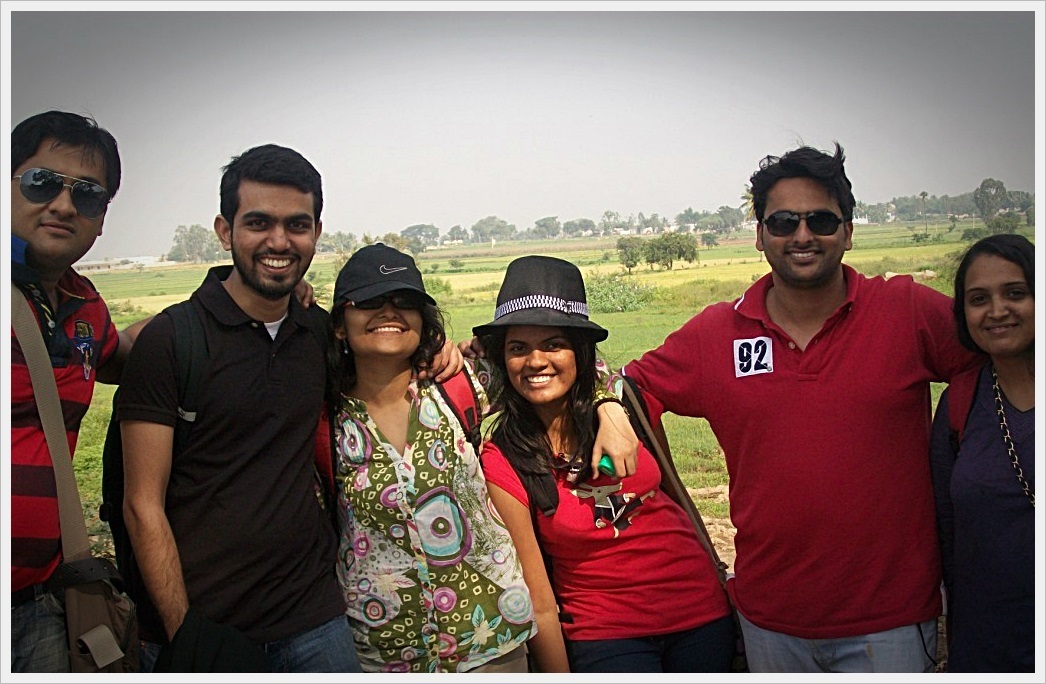
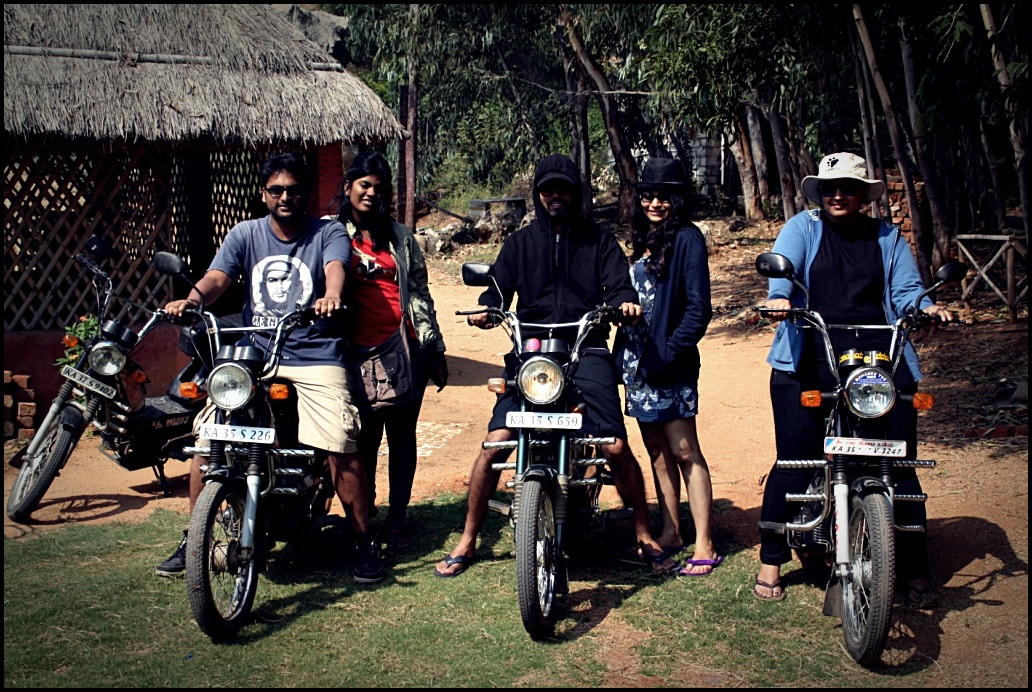
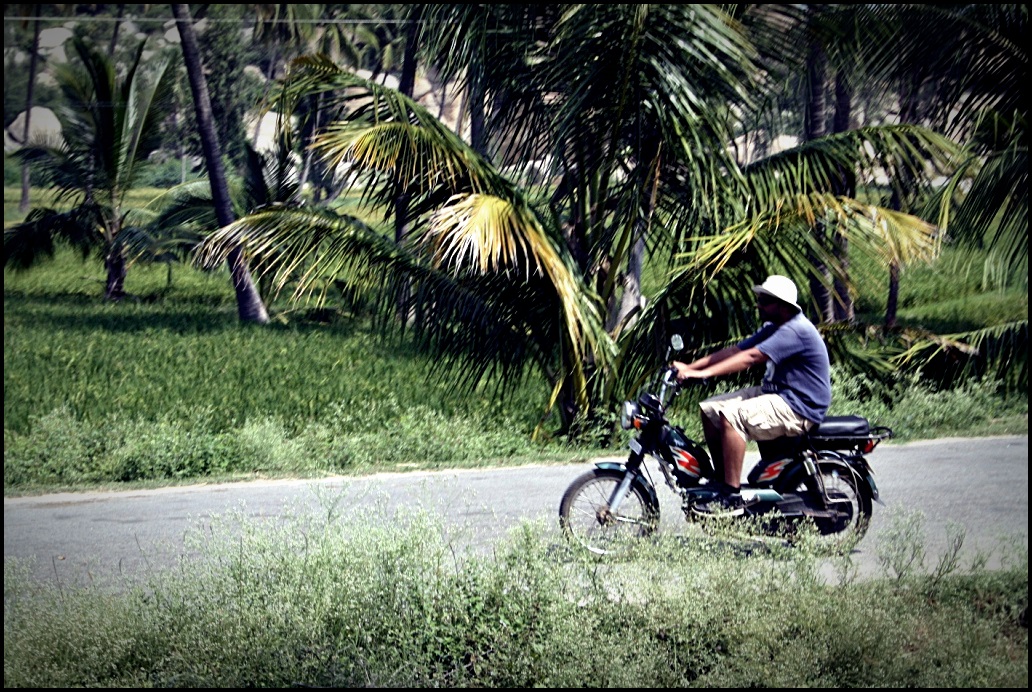
With all this amazing experience over a period of 3 days of staying in Hampi, gave us a lot of time as well. A lot of time to talk amongst each other and get to know each other more. A time to share stories of their own, anecdotes from their lives or the books that they read, was certainly an experience that we all enjoyed thoroughly. Some special moments, some fun, a lot of PJs being cracked, and some profound wisdom and knowledge shared amongst all of us friends. It was something that made the trip even more memorable. It gave us time to introspect on our own life and share some of those with each other to learn something remarkable about each other. Our final day was going to be the one where we explored some of the Anjaneya side of Hampi. We decided to rent mopeds, from Mr. Srinivas. They were reasonably priced as well! We set forth towards Anegundi, the old capital of Hampi. On our way back we stopped by at a place nearby the road. There were open fields staring across the horizon for acres and acres of land. Deepika my friend, had suggested that we go walk in the fields. Quite a good idea, I wondered to myself and decided to stop by. We asked a guy who was sitting near the field, he said it wasn’t his, but he told us to go ahead and take a look and that no one would mind. He had a smile on his face and was very happy that we wanted to explore these beautiful fields within his lands. And so we went, played around with the crops in the field, took some good DP worthy pics and went back on our bikes to go towards the other side of the river to explore the Monolithic bull area and probably do some last minute shopping. While the last minute shopping didn’t happen, we had quite a time in yeilding our mopeds on to a motorboat and taking it to and fro. But we managed to catch some really stumptous meal at Geeta River View…
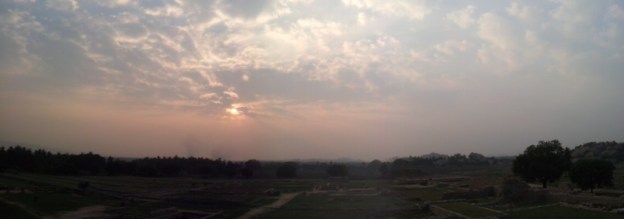
With heavy hearts we bid goodbye to the Kingdom of Vijayanagara as the first day of Diwali came to an end with the brigh orange sun which we could see on our drive back to Hospet. It was an end to this trip, but a beginning of an alliance of a group that is going for some more travels of this sort and of course raring to come back to this beautiful ruins of Hampi…
Thanks to Mr. Srinivas for his hospitality and kindness. His wife for the awesome food, and to Harsha his son who served us and helped us out very diligently. I’d reccomend this place as a must stay and next time I’m down there, it’s going to be the place to stay 🙂
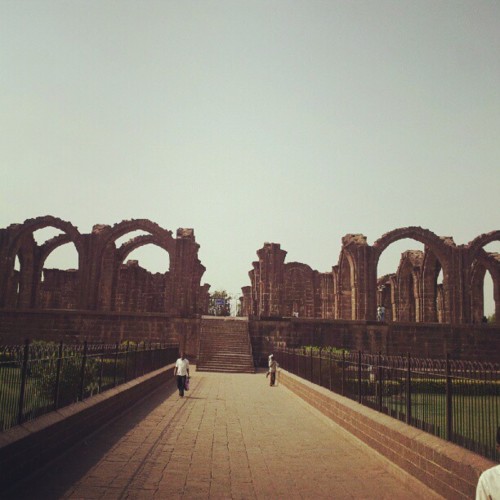
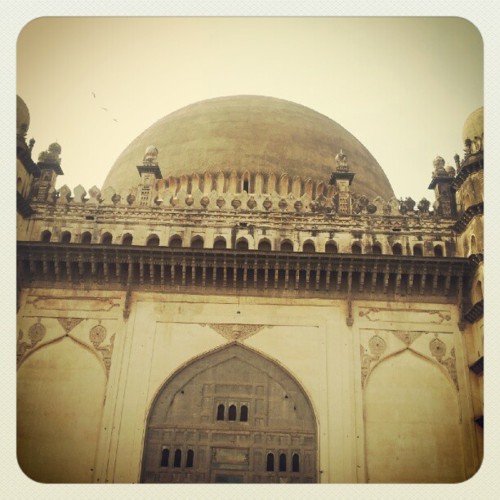
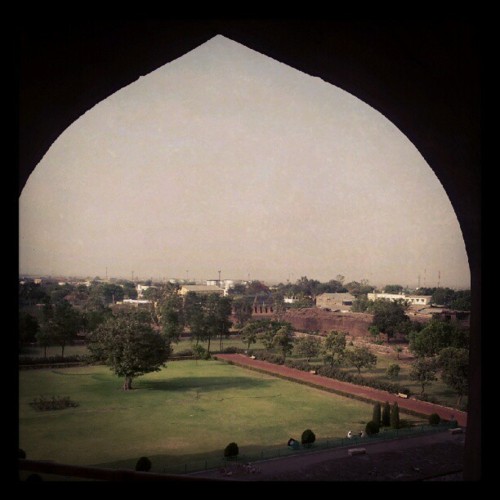
This was from my revisit to the beautiful place, my birthplace Bijapur. As a kid I remember going there a lot of times during my vacations and staying From vacations to some functions most of the times there was always someone or the other who was new to the place and that is when we used to always take tours to the city and it was always fun to go to the same places again and again for they were so wonderful! I was particularly fond of the Gol Gumbaz. Recently I got the opportunity to go to the place that I was born in and that’s when I took a tour again… Some pictures from that trip.
One of the most amazing trips to self discovery are the trips that you take without any rhyme or reason and just keep wandering and walking across the horizon! But once every while comes a trip that you have to take… The aboriginal walk if I may say so… Such trips have a way of shaping themselves within their journeys and make for one of the most enchanting experiences of your life. Some spiritually enlightning, some full of incidents that open your mind to new dimensions and some full of introspective self provocating thoughts that keep you wondering, how far you’ve traveled on this road, a journey that you began years ago and where you are right now.
One such trip I took about six months ago. It was when I decided to celebrate the death anniversary and perform rites of my departed father along the banks of River Ganga in the most revered destinations across the country. The holy land of ganges! While I did that I also had some time to follow my passion for travel and come back with stories of the land of enchanted. My trip started off with Banaras and my first ritual was at Kashi, then at Gaya and finally at Prayaag.
The land of Varanasi (Kashi) has been the ultimate pilgrimage spot for Hindus for ages. Often referred to as Benares, Varanasi is the oldest living city in the world. These few lines by Mark Twain say it all: “Benaras is older than history, older than tradition, older even than legend and looks twice as old as all of them put together”. Hindus believe that one who is graced to die on the land of Varanasi would attain salvation and freedom from the cycle of birth and re-birth. Abode of Lord Shiva and Parvati, the origins of Varanasi are yet unknown. Ganges in Varanasi is believed to have the power to wash away the sins of mortals. (Varanasicity.com)
Ganges is said to have its origins in the tresses of Lord Shiva and in Varanasi, it expands to the mighty river that we know of. The city is a center of learning and civilization for over 3000 years. With Sarnath, the place where Buddha preached his first sermon after enlightenment, just 10 km away, Varanasi has been a symbol of Hindu renaissance. Knowledge, philosophy, culture, devotion to Gods, Indian arts and crafts have all flourished here for centuries. Also a pilgrimage place for Jains, Varanasi is believed to be the birthplace of Parsvanath, the twenty-third Tirthankar.
Some pictures from my journey in Kashi/Banaras:
The famous Banarasi Paan
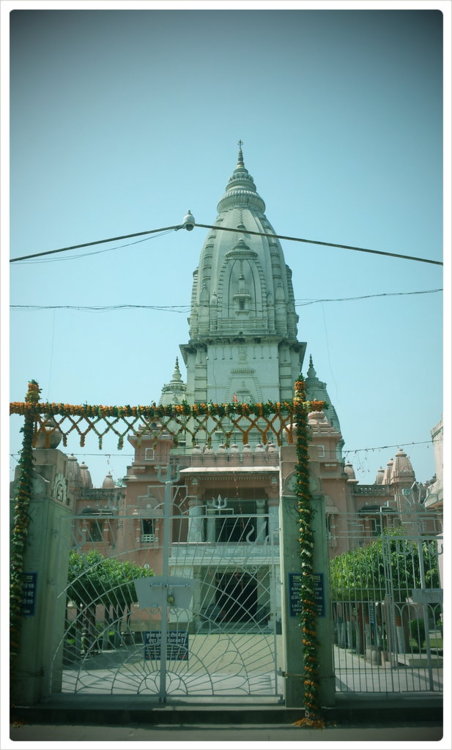
Vishwanath Temple in BHU
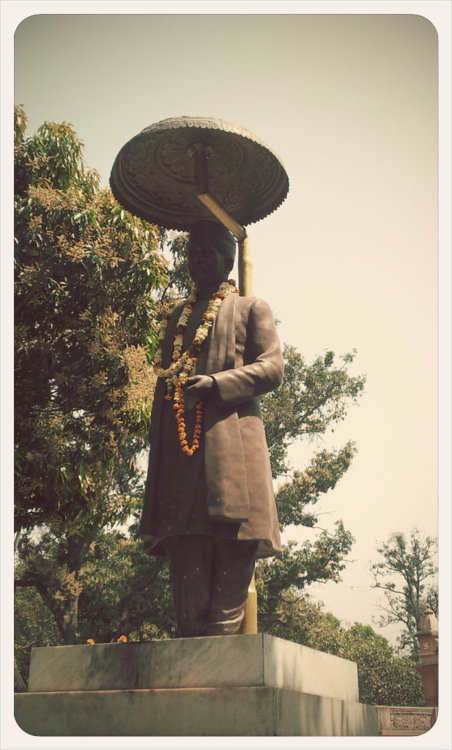
Pandit Madan Mohan Malviya Ji
Koyla Bazaar
Next up was the second ritual at Gaya. Gaya is 100 kilometers south of Patna, the capital city of Bihar. Situated on the banks of the Phalgu (or Niranjana, as mentioned in Ramayana), it is a place sanctified by the Hindu, the Buddhist and the Jain religions. It is surrounded by small rocky hills (Mangla-Gauri, Shringa-Sthan, Ram-Shila and Brahmayoni) by three sides and the river flowing on the fourth (eastern) side. The city has a mix of natural surroundings, age old buildings and narrow bylanes. Since I was there only for a day or two, we couldn’t explore a lot of it, but we made it a point that Bodh Gaya was visited.
Some pictures from Gaya:
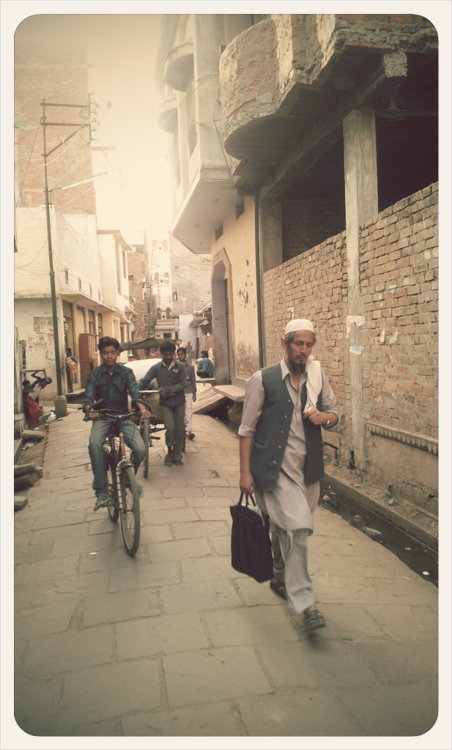
Streets of Gaya
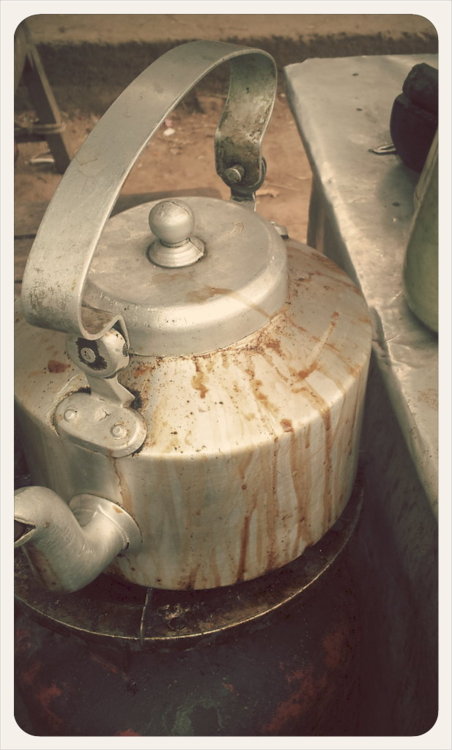
Adrak waali chai
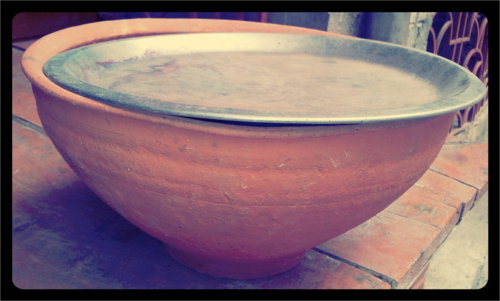
A potful of Lassi
Kullad Lassi
Surya Kund in Gaya
Vishnu Padh Gaya
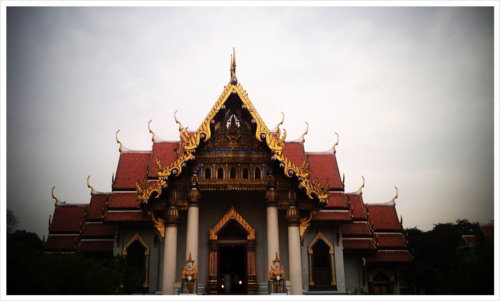
Thai Monastery in Bodh Gaya
Tibetian Monastery
Japanese Temple
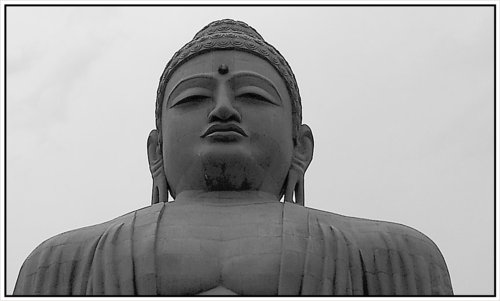
Buddha Statue in the Japanese Temple
Eyes of the Buddha Statue
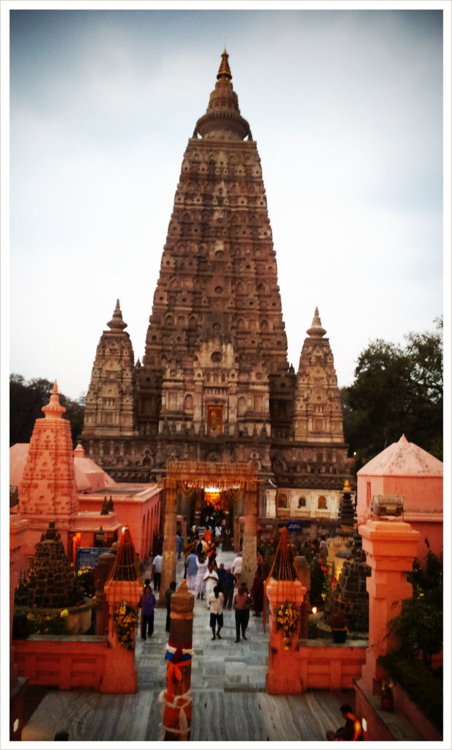
Mahabodhi Temple
The Bodhi Tree
The final stop on this journey was Allahabad, yes the most famous of all! Prayaag and Triveni sangam was the place where we did the final rituals. As enchanting as it may look, it has great facets of its old Hindu and Indian culture that still is integral part of Prayaag. The city’s original name—Prayaga, or “place of sacrifice”—comes from its position at the sacred union of the rivers Ganges, Yamuna and Saraswati. It is the second-oldest city in India and plays a central role in the Hindu scriptures. The city contains many temples and palaces. Allahabad is located on in the southern part of Uttar Pradesh. It is bounded by Pratapgarh in the north, Bhadohi in the east, Rewa in the south and Kaushambi in the west.
Some pictures from Allahabad/Prayaag:
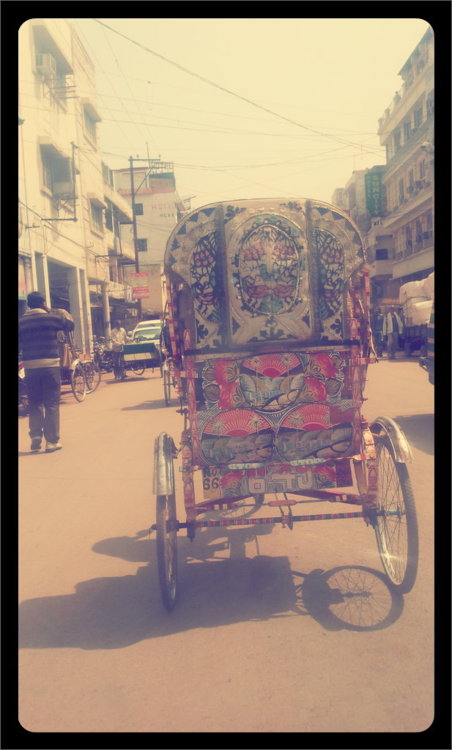
Cycle Rickshaw in Allahabad
Banks of Triveni Sangam
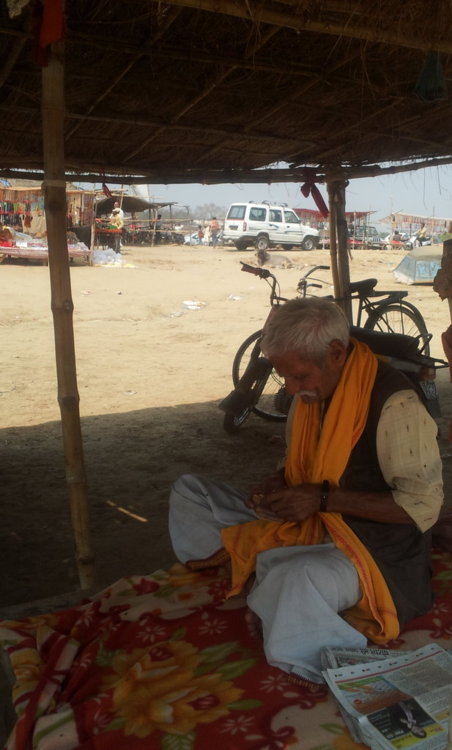
Panditji counting money
This trip was certainly quite memorable because of the root cause but also overall the journey to the three spiritual destinations across North India was something that gave it a deft touch a touch of a journey unknown and yet beautifully spiralled into something more meaningful.
I’m an avid travel bloger and blog about my escapades regularlyhttp://www.srinistuff.com. I always enjoy trekking in the Himalayas, An experience in the Himalayas itself is something that classifies as one of the best activities to do in India… Of course there are local terrains, local treks, mostly Shayadaris since I live in Maharashtra… But Himalayas is something else… A complete transition into a world that takes you to the best state of mind let alone the whole physical and spiritual experience engulfing you out there.
So far I’ve been on the J&K side of Himalayas, Leh & Ladakh part… Uttarakhand/Uttaranchal (Valley of Flowers) and Been to certain territories of North Eastern Himalayas with the Sandakhpu trek and a bit of Nepal with the journey towards various villages across the India Nepal border. It’s very tough to choose between all of these three trips. So I’d give list down a couple of treks that I did which fall among the best activities I’ve done in India. with a few images to give you an idea of how amazing the himalayas are…
Trekking in the Valley of Flowers (Uttarakhand) (14000 feet above sea level)
Starting from Haridwar, Rishikesh, we began doing some local sight seeing and exploring various aspects of Uttarakhand slowly moving towards desolation and complete bliss amongst nature. Uttarakhand in itself is a beautiful place with spirtuality integrates well with nature and the amazing landscapes and terrains find themselves accompanied with various significant mythological / religious / spiritual references from the vast history of India… All the 5 confluences while on your way towards Joshimath are something to look forward too… The beautiful Ganga river flowing all the way on your side accompanying you along on the road side. But the best experience begins when you reach Ghagaria ghat… after a tiring trek of 13kms which is more like 30 kms cause of it’s steep level of climb… From there on an early morning trek to the Valley of flowers where you could see the Himalayas at a glance is what you should enjoy the best… Some pictures of how the trek looks like…
The best time to go here would be between June and September. Ideally flowers bloom during this period and as a matter of fact, every week you’ll get to see a whole range of flowerbeds across the valley. When we went, we had a possibility of viewing a new flower that had bloomed in the valley and we were also told that in a span of 5 years, first time there was a glacier that appeared enroute the Valley of flowers.
Now that is something that sounded really amazing as this would have been the first time I’d ever get to see glacier, though technically not snow, yet something worth experiencing.
Trekking across Villages in Nepal (Sandakphu Trek) 14200 feet above sea level..
This experience was simply stunning only because of the most amazing landscapes that we experienced on our way to the top, but also the amazing Nepalese culture that we got to encounter during our trip. One of the most interesting thing that amazes you on this trip is that constantly you are crossing borders between India and Nepal, but barring a few check posts, there’s hardly anything to distinguish whether you are in Nepal or India… Unless you have a trekking guide along with you. Which we had and a good one too. The whole aspect of the beautiful terrains and landscapes, no connectivity and total realm of realism sinking in to each pore of your skin is something that gives you a joy that you realize is something that we people take for granted. We went in November, hence the cold weather was something to enjoy as well… Some of these glimpses will give you a better idea.
Overall this trek was a mix of both nature trail, wild mountains, and most importantly a different culture altogether. However, there are many infamous terrains in the Himalayas that I’m planning to visit, and get more experiences as these. My list of places in Himalayas would be:
1 Everest Base Camp
2. Gomukh Gangotri trek
3. Kangra Valley trek
4. Parvati Valley
6. Trekking extensively in Ladakh, Spiti
7. Dalhousie trek
8. Saur Kund and Saur Pass trek.
9. Kailash Manasarovar
10. Har Ki Dhun.
As an avid traveler, travel blogger and trekker, I encourage a lot of people to try out experiences in Himalayas, for I can’t tell you how it is, you have to experience it yourself to know better. 🙂 Hope this answer helps people travel to India and experience Himalayas themselves…
I’m in love with this city and this is going to be my pilgrimage destination forever! I have a love for it’s ancient archaeological structures and it’s association with the mythological references of Ramayana. That apart, there is this beautiful aura about the place that mesmerizes you to the core. That is why I make it a point that I visit this place every year. Also, my great grandfather from my mother’s side was a great Late Shri. N.S Rajpurohit, was a famous historian who has a lot to do with the excavations of certain parts which marked significance to Hampi / the Kingdom of Vijayanagara.
Pampa River
Hampi is called Hampi cause of the river Pampa now the Tungabhadra. Pampa was an ancient name for Hampi. According to legends, Pampa the daughter of Bramha did penance to please Lord Shiva. Impressed with her devotion Shiva married her and took the name Pampapati. On the banks of the river (Tungabhadra) there are numerous shrines of Shiva being worshipped.
History of Hampi
History of Hampi dates back to the chalcolithic and the Neolithic era… Could be proven from the ceramic and handmade pottery found from those ages. Also from the 2nd and the 3rd century there are rock edicts of the asokan empire found here…
Rulers of Hampi
Pre-Vijayanagara era it was ruled by many rulers primarily Chalukyas of Badami, Hoysalas, Yadavas and others. But the main founders of this empire are primarily two kings Harihara and Bukka raya. Also known as Hakka and Bukka who were disciples of Swami Vidyaranya…
Around the 14th century when Mughals made inroads to South India, they captured most part of Hampi and the Kampili chiefs Hakka and Bukka were prisoners… But soon they overthrew the Mughal empire after they were assigned to govern under Mughal Sultanates and retook Hampi… They then gave the name Vijayanagara (Land of Victory) also dedicated to Swami Vidyaranya so it’s also referred to as Vidyanagara.
That was mostly during the reign of Krishnadeva Raya under whose rule this empire saw its peak! He was abig fan of architecture and also was open to various styles of architecture Indian and Islamic… He also was a good ruler and had diplomatic relationship with the Spanish across the east coast and hence Hampi was quite open to trade with Europeans and usually gems and stones were traded for cotton and spices which were abundantly available here.
However after his death and during the reign of Ramraya Hampi faced a gruesome destruction. His son in law Ramraya was captured and killed during the battle of Rakkasatangdi after which the empire was left undefended when the Mughals ransacked this place, destroyed many buildings and later it was left abandoned for a long while for it to become a jungle and ruins remained. It was later on because of the curiosity of many western archaeologists and authors to great books namely Robert Sewell and A.H Longhurst that this place gained significant interest across the world. UNESCO’s World Heritage Site was conferred to Hampi in 1986.
Mythological Association of Hampi
There’s also a mythological association with Hampi. Locals and folklore has it that this area was the mythical Kishkinda Vanara kingdom from the Ramayana and this is where Rama and Lakshmana stayed before they headed off to Lanka in search of Sita. There are a couple of mountains and places which are believed to be the places where Sugreeva, Vali, Hanuman and Ram stayed back then…
Hazara Rama Temple
Which brings me to the Hazara Rama Temple. Hazara Rama… 1000 Rama? Cause of the 1000 inscriptions / sculptures of Rama on the walls of the temple? Well no… actually Hazara Rama comes from the word Hazarumu which in telegu means Entrance Hall This place has one of the most beautiful and intricate carvings lot of them describing what happened back in Ramayana and some of them depicting various Vishnu avatar. It was also a private temple of the royal family.
Stone Chariot in The Vittala Temple
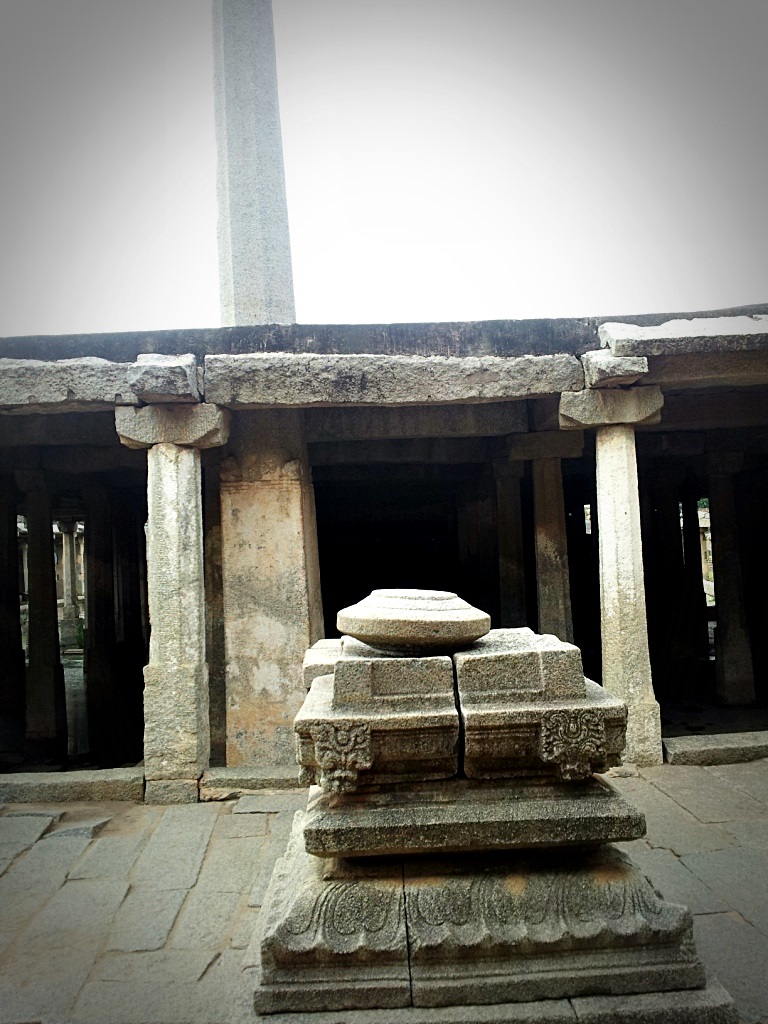
The stone chariot is one of the most amazing structures in Hampi… If you get around clicking photographs of this monument, you wouldn’t just stop… its so beautiful. It’s made of big granite blocks and even though we may think it’s a monolithic structure it actually isn’t. The big granite blocks get covered cause of the intricate carvings on the chariot.
Musical Pillars of Hampi
Another very interesting thing in the vittala temple are the musical pillars in the photo shown above… Check out this video… to see what I mean
Well now if you go there this may not be possible as it has been restricted as there were incidents of damage to the structure in the past.
King’s Balance
Just outside the vittala temple, you’ll find the Kings Balance… I belive this custom still exists and it existed back then of course. The kings were kept in the balance which was put on this structure. Weighed against gold and jewellery which was then given away to the priests and the needy.
Lotus Mahal Complex
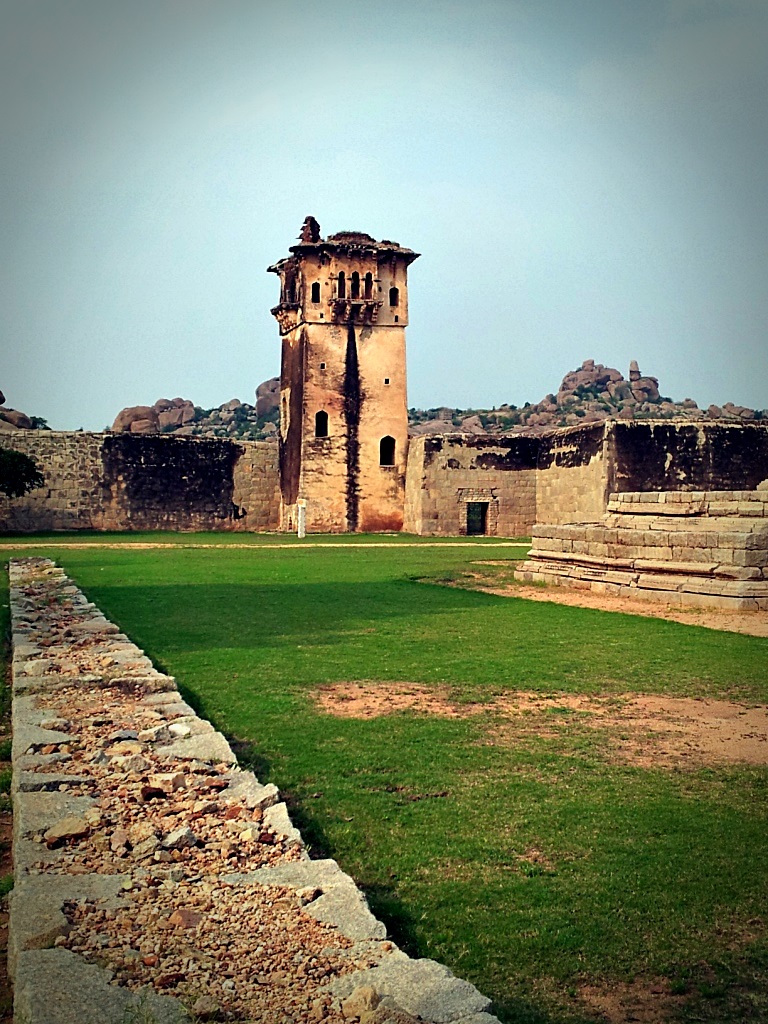
The lotus mahal and the elephant stables are one of the most intact pieces of architecture in Hampi… This temple was in a Zenana enclosure was believed to be a recreational area for the women folks of the royal family. There are hooks to tie up curtains and you’ll also find these terracotta pipes which are on the ceiling of this structure. They were filled with water from the well besides it and they acted as ventiatory ducts which provided cooling due to the breeze. Ancient air conditioning so to speak. The elephant stables are symmetrical set of stables with central one them being the biggest. These are unlike any other pieces of architecture as they are a mixture of Indo Islamic architecture.
Octagonal Bath
Octagonal public baths are something you’ll find. These are probably one of the oldest bathing structures which are still properly maintained… They weren’t just made out there. The stepped stones were assembled block by block after being made somewhere else. Very beautiful sight to your eyes.
Underground Shiva Temple
The underground shiva temple is in shambles… The most you can do is go and visit it from the outside. It’s completely dilapatated inside a cave filled with stench and loads of black water. There were a 1000 lingas inside, but since I’vent gone I wouldn’t know… After a point it becomes very eerie. The queens bath is a small structure, much like a swimming pool of the ancient times… or a humongous jacquzi if I may say…
Queens Bath
This is the first ruined structure you would see when you enter into the Royal center from the Kamalapura (hampi.in)-Hampi main road. For some mysterious reasons this was called as the queen’s bath. But in all probability this was a royal pleasure complex for the king and his wives. It’s a bit an assuming plane rectangular building from out side. But when you get inside, the story is different.The whole building is made with a veranda around facing a big open pond at the middle. Projecting into the pond are many balconies. An aqueduct terminates in the pond.The balconies are decorated with tiny windows and supported by lotus bud tipped brackets. The whole pool is open to the sky. This brick lined pool is now empty. But it’s believed once fragrant flowers and perfumed water filled this bathing pool. At one end of the veranda you can see a flight of steps giving access to the pool. The domical roof of veranda is a spectacle itself.
The Krishna Temple
The Krishna temple is one temple that was commissioned by Krishnadeva Raya and the architecture is significantly his. Interesting and very beautifu carvings such as that of the Mythical lion called the Yallis and the beautiful Gopis can be found here…You can also see carvings of 10 incarnations of Lord Vishnu and as soon as you enter the temple you’ll find a tortoise there… Like in temples of Halebeid and Belur.
Lakshmi Narsimha Statue
The Lakshmi Narsimha statue is probably one of the most damaged yet magnificient and huge creations. It’s the largest statue of Hampi. Narsimha is seen sitting on a coil of giant seven headed Snake. Shesa. It originally had Goddess Lakshmi sitting in his lap. However when the mughals raided Hampi they hugely damaged it thinking there would be gold and jewellery hidden inside the statue.
Badava Linga Temple
Right next to it is badava linga temple. A monolithic Shiva Linga believed to be carved by a poor woman (badava) in order to praise shiva
Sasvekalu Ganesha & Kadalekalu Ganesha
The Ganeshas of Hampi are well revered. Sasvekalu and Kadalekalu Ganesha. They are named because of the resemblance of their tummies to Mustard Seed and Bengal gram respectively. There’s a story behind the Sasivekalu ganesha. Once Ganpati was very hungry and he ate so much that his tummy burst.. He immediately found a snake nearby and tied it across his tummy and that is what is depicted in the sculpture. Both are monolithic statues.
Monolithic Bull
At he foothills of the great Matanga parvat / Matanga hill near the Hampi bazaar you’ll find this Monolithic bull, much similar to the one in a temple in Halebeidu. You trek for an hour or so you get on top of the Matanga hill from which you can get the most spectacular view of the city and it’s beautiful just before Sunset! A must visit.
Coracle Ride to Other side of the River
One of the best experiences is a ride in the coracle / boat to the Anjaneya hills The place revered to be the birth place of Hanumana. There’s also a cave where Sugreeva hid before he fought Vali to get him killed.
Virupaksha Temple
Last but not least the most famous Virupaksha temple of Hampi which also is the only functioning temple in Hampi since the 14th Century which also makes it the only functioning temple in India. Among all temples this is the only one which the Mughals never attacked. Why? Cause of the insignia or the emblem of a pig on the door of the temple. During the Hampi Festival, this is quite the place to go, in fact during Diwali as well this place has a lot of festivities and is totally decorated. One thing to look out for is the Local Elephant inside the temple… He’s always there been there for many years now…


















































 Travel Tales